NewlandsEast.co.za Start The Conversation


We interview Author of ‘The man Called Uncle’ and director of Outreach Community Families; Vernice Rae find out more about her community development program, her book and her passion for her community.
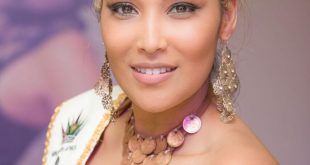
Vernice Rae; author of ‘The man Called Uncle’ and founder/ director of Outreach Community Families; is passionate about doing all she can to better the lives of the people in her community.
She grew up in Newlands East, Durban and relocated to Johannesburg 30 years ago, where she went through a difficult time and so decided to write her book ‘The man called Uncle’ in which she talks about her life experiences, her abuse and the issues which the community of Newlands East face. Later, she decided to move back to Durban, which she describes as the “source” and donate the income from her book to the community through ‘Outreach community families’ – An Administration Hub she began in order to assist the community with the administration information resources they need.
Vernice is “50 going on 30” and looks forward to working with her community, travelling, meeting new people and experiencing new adventures with the program.
What do you consider important?
‘Family. Family is extremely important. By family I regard my neighbours, the people in my community as my family. My friends are also very important to me. Teaching is also important, we are all here to learn, I think knowledge needs to be shared and reading is empowering. The most practical way you can share knowledge is by reading.’
What are you passionate about?
‘I am very passionate about helping people. I am passionate about family, you have to put your family first and everything else will follow. I am passionate about people in general, I’m a very sensitive individual and what is happening in our community depresses me to a point where I need to assist and help where I can.’
Why did you write your book?
‘When I wrote the book I was a very angry person, I was disappointed in my life, in where I was at in my life and more importantly, I was very disappointed in society, I felt that they didn’t assist me the way I needed to be assisted. It lead me to write the book, it gave me peace of mind and healing because as I was writing the book, it was like I was letting my voice be heard.’
Were your intentions of writing the book about societal issues?
‘Yes it was. Coming from a woman abuse background, there is so much woman abuse, child abuse, drug abuse in this community, lack of education, disrespect, and it all boils down to respect. We as parents need to set the example on the things that happen in our homes. We need to take charge, we allow these things to happen in our homes, we allow our children to be goofed or drugged up and speak to us anyhow so they walk into other people’s homes and also be disrespectful, so it all starts at home.’
What are the biggest issues that still affect women at this moment?
‘I think women themselves are the issue. We are responsible for our own happiness, our own sorrows and we allow these things. We allow ourselves to be abused, we allow our children to do these things, we allow our society to do these things, and it’s not who you are but what you answer to. It’s what you accept, your situation as a woman doesn’t define who you are, some women use that as a chain, they suffocate until they accept and move on, because you have to move on and change your circumstance, you can’t keep sitting in this rut for the rest of your life. Change has to come and you have to be that change.’
Tell us more about the program you working on
‘I am currently working on marketing my book and introducing fully functional libraries in the schools in the community. We have 3 primary schools and 2 high schools and neither of these schools have functional libraries, no guidance counselling, so I’m working with city libraries to try and assist the schools with getting functional libraries to educate our learners and give our learners opportunities and choices.’
What is your message to young women?
‘You were put on this earth for a purpose, women are so strong, they have been tasked with the responsibility of birthing, and through birthing there is so much pain and agony involved, women die, children die. Women who survive are so strong, they are such a brilliant example, but at the end of the day you cannot carry the weight of the world on your shoulders, you have to swim and survive. You have to put yourself first and as women we don’t do that, we just need to stop, breathe and do for you first. In women’s month the focus should be ‘do for you’, if you are not at your best, you cannot give your best to anybody. If you need to be pampered then go be pampered, whatever you need to do to lift yourself, do it and find your happy place.’
Vernice is “50 going on 30” and looks forward to working with her community, travelling, meeting new people and experiencing new adventures with the program.
Article by Shironne De Fleurs and Courtney Rehman